KEY TAKEAWAYS |
• Compare hospitals after confirming the PSA trend, biopsy Grade Group or Gleason score, stage and previous treatment. • Active surveillance may suit selected localized cancers. Surgery is not automatically the right next step for every diagnosis. • Ask for a multidisciplinary discussion of surgery, radiotherapy and systemic treatment, including urinary, sexual and bowel side effects. • Confirm the clinician and campus, translated records, an itemized estimate and a follow-up plan before traveling. |
Introduction
Looking for the best prostate cancer hospital in China? Fudan University Shanghai Cancer Center, Peking University First Hospital in Beijing and Sun Yat-sen University Cancer Center in Guangzhou are three institutions to consider with your treating team. Each has relevant urologic oncology expertise. The right choice depends on whether the cancer is localized, recurrent or metastatic, as well as its grade, previous treatment and your priorities.
This is an unranked shortlist, not a claim that one hospital provides better outcomes for everyone. Some prostate cancers can be monitored; others need treatment with surgery, radiation or medicines. A useful opinion should explain the goal of care, its likely benefits and burdens, and the effects on continence, sexual health and daily life. No hospital can guarantee a cure.
Table of Contents
Prostate cancer treatment starts with risk and stage
A treatment proposal should begin with the biopsy diagnosis, Grade Group or Gleason score, PSA results and an assessment of where the cancer is located. Age, other illnesses and personal goals also matter. Ask whether the pathology and original scans need specialist review before deciding on treatment.
For selected localized disease, active surveillance involves planned monitoring and treatment if the findings change. It is different from watchful waiting, which generally focuses on managing symptoms when needed. Depending on risk and fitness, treatment with curative intent may involve radical prostatectomy or radiotherapy, sometimes with hormone therapy. Advanced disease needs a different discussion, often centered on systemic treatment and symptom control.
Meaningful advances: China-led research and better treatment selection
Treatment progress is broader than access to a surgical robot. In the China-led CHART phase 3 trial, 654 men with high-volume metastatic hormone-sensitive prostate cancer were randomized to androgen-deprivation therapy (ADT) plus rezvilutamide or bicalutamide. The study ran across 72 hospitals in China and three European countries and enrolled patients with good performance status.
In the 2022 report, radiographic progression-free survival favored rezvilutamide: the median was not reached versus 25.1 months after a median 21.2-month follow-up. At the overall-survival analysis, median follow-up was 29.3 months and the hazard ratio for death was 0.58; median survival was not reached in either group. Serious adverse events occurred in 28% versus 21%. These results apply to the studied population and comparator, not every stage or a comparison against all modern treatment combinations.
For localized cancer, the UK ProtecT randomized trial provides an important balance. Among 1,643 men aged 50–69 at diagnosis, prostate cancer deaths at a median 15 years were 3.1% with active monitoring, 2.2% with surgery and 2.9% with radiotherapy; the difference was not statistically significant. Metastases were more frequent with monitoring: 9.4%, versus 4.7% and 5.0%.
ProtecT was not a Chinese hospital comparison, and its monitoring protocol should not be assumed identical to modern MRI-based surveillance. It supports discussing the trade-off between avoiding treatment burdens and reducing progression risk. It does not justify leaving high-risk disease untreated. These two trials address different populations and should not be compared as competing treatments.
Robotic surgery, targeted treatments and quality of life
Robotic assistance is an operative technique, not a guarantee of better cancer control or preserved erections. Radical prostatectomy can cause urinary leakage and erectile dysfunction; radiotherapy can affect bowel, urinary and sexual function. Ask for a personalized discussion of nerve-sparing feasibility, rehabilitation and how outcomes are measured, including your baseline function.
For advanced or recurrent disease, specialist assessment may include the sequence of hormone-directed medicines and chemotherapy, and whether molecular testing or PSMA-directed treatment is relevant. Selected molecular findings, including BRCA alterations, can influence targeted-treatment discussions. A test result or a published international study does not establish local approval, supply or suitability. Confirm the exact proposed treatment, evidence, current access and costs with the hospital.
Why international patients consider care in China
Patients may seek another opinion on surgery versus radiation, a complex or recurrent tumor, or the sequencing of treatment for metastatic disease. Specialist centers can bring urology, radiation oncology, medical oncology, pathology and imaging into one discussion. The practical value is a coherent recommendation that fits the diagnosis and the person's goals, rather than a list of technologies.
Ask whether a multidisciplinary review can be completed before travel and what decision it is intended to resolve. For a localized tumor, that may be the balance between monitoring and definitive treatment. For advanced disease, it may be the next medicine or whether a clinical trial merits assessment. Trial participation requires a separate eligibility and safety review; publication does not mean recruitment is open.
Practical challenges: records, language, costs and continuity
Prepare biopsy and pathology reports, the PSA timeline, MRI and other staging reports, original DICOM scans and a summary of symptoms and current medicines. Include operation notes, radiation plans and previous drug names with dates if treatment has already started. Ask whether tissue slides or blocks and any existing molecular results are needed.
Arrange reliable English or Chinese translations and qualified interpretation for consent and complex choices. Confirm the exact hospital campus, department and reviewing clinician. Request an itemized estimate separating assessment, admission, procedures, radiation, medicines, possible complications, accommodation and ongoing care. This guide does not quote a universal treatment price or promise acceptance.
Agree how follow-up PSA tests, scans, catheter care if required, rehabilitation and medicine monitoring will continue after returning home. Discuss travel fitness with the treating team. Do not interrupt effective care while arranging an overseas opinion. Insurance, drug supply, language support and access to a trial or specialized treatment must be checked individually.
How ChinaCureLink can help organize a specialist review
ChinaCureLink can help organize records and communication around an appropriate hospital assessment and practical planning. Request the scope of coordination and any charges in writing. Clinical recommendations, acceptance and informed consent remain the hospital team's responsibility; coordination does not guarantee an appointment, treatment eligibility or an outcome.
Three prostate cancer hospitals in China and their specialists
The order below is editorial, not a ranking. Clinicians are listed for documented relevant interests. Inclusion does not imply a commercial partnership, confirmed availability or an individual treatment recommendation.
Fudan University Shanghai Cancer Center — Shanghai
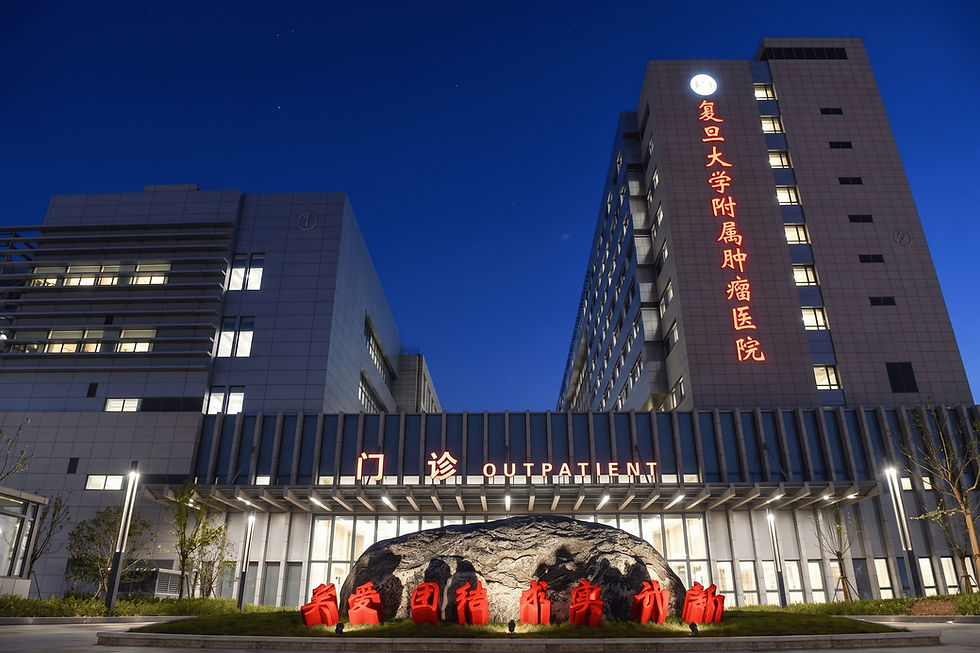
Founded in 1931, Fudan University Shanghai Cancer Center is a specialist cancer hospital affiliated with Fudan University. Its urologic oncology service developed with an emphasis on multidisciplinary management, bringing the surgical perspective into a broader cancer treatment setting. It is a relevant option when decisions extend beyond removing the prostate.
The program includes clinicians with documented interests in early diagnosis, radical prostatectomy, functional recovery, recurrent disease and systemic treatment. Professor Dingwei Ye's participation in CHART also illustrates the team's involvement in prostate cancer clinical research. Research participation does not prove better hospital outcomes or establish access to a specific drug for an international patient.
The hospital operates Xuhui and Pudong campuses. Ask which location and team will handle the assessment and whether surgery, radiation and medical oncology opinions can be coordinated. A useful recommendation should explain the alternatives and anticipated urinary and sexual effects, as well as the cancer-control goal.

Professor Dingwei Ye
Professor; urologic oncology and multidisciplinary care
Professor Ye's institutional profile describes surgical and comprehensive treatment of urologic and male reproductive cancers, including prostate cancer. He is an investigator in the CHART publication and a senior figure in the center's urologic oncology program. His research role does not guarantee access to a trial.

Dr. Bo Dai
Chief physician; urologic oncology
Dr. Dai's clinical interests include prostate cancer diagnosis, robotic and laparoscopic radical prostatectomy, functional rehabilitation and care for recurrent or advanced disease. His profile describes nerve- and structure-preserving techniques. Whether these are appropriate depends on cancer extent and individual clinical assessment.
Peking University First Hospital — Beijing

Established in 1915, Peking University First Hospital is a comprehensive teaching hospital. Its urology department was founded in 1946, and the associated urology institute in 1978. This long-standing specialty base makes it a relevant institution for an additional urologic oncology opinion, particularly when treatment planning requires surgical expertise within a broader hospital setting.
The department and specialist profiles document work in complex urinary tract cancers and laparoscopic and robotic techniques. For a prostate cancer review, ask how the team will assess disease risk, surgical feasibility and the need for other treatment. A specialist's broad urologic expertise should be connected to the specific clinical question.
The photograph shows the modern Daxing campus, which opened in 2023. It does not identify where either featured clinician will see an individual patient. Confirm the appointment and admission location before arranging travel, and request a plan for pathology review, treatment alternatives and follow-up.

Professor Liqun Zhou
Professor and chief physician; urology
Professor Zhou's official profile describes expertise in complex genitourinary tumors and the application of laparoscopic and robotic techniques in urology. He brings a broad surgical oncology perspective. Ask the department which prostate cancer team members will participate in the case and its multidisciplinary review.

Dr. Zheng Zhang
Chief physician and associate professor; urology
Dr. Zhang's institutional profiles document urologic cancer work and participation in prostate cancer guideline development. His academic interests also include urinary tumor biomarkers. A review should establish his role in the particular prostate cancer case and which colleagues will cover radiation or systemic treatment.
Sun Yat-sen University Cancer Center — Guangzhou

Sun Yat-sen University Cancer Center, established in 1964, combines specialist cancer care, research and education. Its urology service works within an oncology setting with pathology, imaging, radiation and medical treatment expertise. The institution describes disease-focused databases and multidisciplinary teams as part of its approach to urologic cancers.
Professor Fangjian Zhou is identified as a prostate cancer chief expert, while Dr. Yonghong Li's institutional profile documents prostate cancer diagnosis and surgery. Their interests make the center relevant for a focused opinion on localized, recurrent or advanced disease. The center's clinical research activity offers questions to explore, not a promise of experimental treatment.
Ask for a recommendation that explains the role of local and systemic treatment and the likely effect on daily functioning. Confirm the campus, assessment route, medicines and follow-up arrangements. If an ablative or other specialized procedure is proposed, request a clear explanation of the evidence, alternatives and need for continued monitoring.

Professor Fangjian Zhou
Professor and chief physician; prostate cancer specialist
Professor Zhou's institutional profile lists prostate cancer among his main clinical interests, alongside other urinary tract cancers, and identifies him as a prostate cancer chief expert. His expertise includes surgical management within comprehensive care. Ask how the team would integrate other treatment disciplines into the recommendation.

Dr. Yonghong Li
Urologist; prostate cancer diagnosis and surgery
Dr. Li's institutional profile identifies prostate cancer as a focused area of practice and describes experience in biopsy, radical prostatectomy and robotic surgery. His clinical interests support a disease-specific assessment. Suitability for surgery or another local procedure requires review of the grade, stage and alternatives.
Get a Second Opinion Before You Fly to China
Request a written opinion covering the diagnosis and risk category, treatment goal, alternatives, expected functional effects and follow-up. For recurrent or metastatic disease, include the sequence and response to previous medicines, radiation and surgery. Share the recommendation with the existing treating team so any overseas plan fits safely into ongoing care.
The following patient stories and feedback describe general coordination experiences. They are not prostate cancer outcome evidence and do not predict an individual result.
What Patients Say About ChinaCureLink & Medebound HEALTH

FAQs about prostate cancer hospitals in China
Which is the best prostate cancer hospital in China?
No single hospital is best for every patient. Fudan University Shanghai Cancer Center, Peking University First Hospital and Sun Yat-sen University Cancer Center are three relevant options for review. Compare their assessment of your cancer's grade, stage and previous treatment, the multidisciplinary plan and arrangements for follow-up.
Is robotic prostate cancer surgery in China suitable for everyone?
No. Robotic assistance is a surgical technique, and not every prostate cancer needs surgery. Selected localized cancers may be monitored, while other situations require radiation or systemic treatment. Ask about alternatives, nerve-sparing feasibility and urinary and sexual side effects. A robot does not guarantee a cure or preserved function.
What records are needed for a prostate cancer second opinion in China?
Prepare pathology and biopsy reports, the PSA timeline, staging reports, original scans and a medication list. Include previous surgery, radiation and drug records and any molecular results. Ask whether tissue material is needed. Confirm translation, the reviewing team, costs, travel fitness and follow-up before traveling.
Prepare your next step
Begin with the records and the decision you want a second opinion to clarify. ChinaCureLink can help coordinate communication around an appropriate prostate cancer assessment in China. Request written confirmation of the review process, practical arrangements and fees before committing to travel.
Sources and further reading
Prostate cancer treatment — National Cancer Institute, patient version
Fudan University Shanghai Cancer Center — Shanghai — hospital and department
Peking University First Hospital — Beijing — hospital and department
Sun Yat-sen University Cancer Center — Guangzhou — hospital and department
Sun Yat-sen urologic oncology team and Professor Zhou portrait — UroCancer MDT
Dr. Yonghong Li portrait — 2026 urologic oncology meeting profile
Information checked for this draft on October 30, 2026. Clinical practice, services, schedules and trial access can change. Institutional photographs identify the hospital or clinician shown and do not imply a commercial affiliation.
About ChinaCureLink
ChinaCureLink helps patients across the world access the best cancer treatment at China's top hospitals, without the delays, language barriers, and administrative confusion that typically come with seeking care abroad.
We connect patients directly with China's top cancer hospitals, ensuring that from the first case submission through to treatment and follow-up, every step is guided, translated, and coordinated by a team experienced in cross-border patient care.
ChinaCureLink is proudly affiliated with Medebound HEALTH — founded by US physicians, with over 10 years of experience and more than 3,000 patients served worldwide, Medebound HEALTH is recognized by Forbes and it is one of the most trusted patient cross-border concierge service company across North America and the Asia Pacific.
Disclaimer
This article is for informational purposes only and is not medical or financial advice. Treatment eligibility, protocols, and costs vary by individual case — confirm specifics with a coordinator and treating physician before making any decisions.

