KEY TAKEAWAYS |
• Confirm the histology: squamous-cell carcinoma and adenocarcinoma are not interchangeable, and study results may apply to only one type. • Request a multidisciplinary assessment involving surgery, medical oncology, radiation oncology, endoscopy, pathology and nutritional support as needed. • China-based trials have strengthened evidence for combined treatment, but a trial result is not an individual prognosis or a guarantee of access. • Prepare translated records and original scans, confirm the campus and clinician, and obtain an itemized estimate and a follow-up plan before travel. |
Introduction
Looking for the best esophagus cancer hospital in China? The Cancer Hospital of the Chinese Academy of Medical Sciences, Peking University Cancer Hospital and Sun Yat-sen University Cancer Center are three specialist options to discuss with your treating team. Each has documented esophageal cancer expertise. The right hospital depends on the cancer's exact type, location and stage, your previous treatment, nutrition and fitness for travel.
This is an unranked shortlist, not a claim that one center is best for everyone. Esophageal cancer includes squamous-cell carcinoma and adenocarcinoma, which can require different treatment pathways. A useful hospital opinion should explain the goal of care, whether surgery is appropriate, the alternatives and how treatment will continue after you return home.
Table of Contents
Esophageal cancer treatment: the decisions that matter
Treatment starts with pathology and staging, rather than choosing a surgical technique or a new drug first. Selected superficial disease may be assessed for endoscopic treatment. For operable, locally advanced cancer, chemotherapy or chemoradiotherapy may be given before surgery. Definitive chemoradiotherapy is another pathway in appropriate cases. Advanced or recurrent disease can require systemic treatment and symptom-directed care.
The distinction between squamous-cell carcinoma and adenocarcinoma matters. So do the tumor's position, lymph-node involvement, any spread elsewhere, previous radiotherapy and general health. Ask the team to explain why its proposed sequence fits your diagnosis and whether the goal is cure, disease control or relief of symptoms.
Immunotherapy and chemotherapy combinations have expanded treatment options in advanced disease, with selection depending on the clinical setting and relevant testing. A hospital must confirm which medicines are appropriate and locally available. International treatment guidance does not establish Chinese approval, reimbursement or eligibility for an overseas patient.
Swallowing difficulty, weight loss and reduced intake need a practical nutrition plan. Ask how the team will assess nutritional status, support eating or feeding when required and prepare for recovery. Esophagectomy is major surgery: the discussion should cover reconstruction, possible complications, rehabilitation and the support needed after discharge.
Clinical evidence from China: benefits and limitations
The phase III NEOCRTEC5010 study compared preoperative chemoradiotherapy followed by surgery with surgery alone in 451 patients at eight Chinese centers. Patients were aged 18–70 and had locally advanced thoracic esophageal squamous-cell carcinoma. In its 2021 long-term report, median follow-up was 53.5 months; five-year overall survival was 59.9% with combined treatment versus 49.1% with surgery alone, with a hazard ratio for death of 0.74.
This supports combined treatment for appropriately selected patients. It does not compare the three hospitals in this guide, and the study's survival figures are not a prediction for an individual. Its population and treatment era also limit direct application to adenocarcinoma or every current regimen. Chemoradiotherapy and surgery require careful assessment of toxicity, nutrition and operative fitness.
The 2024 ESCORT-NEO/NCCES01 phase III report studied 391 patients with resectable, locally advanced thoracic squamous-cell cancer. It compared camrelizumab plus albumin-bound paclitaxel/cisplatin, camrelizumab plus paclitaxel/cisplatin, and paclitaxel/cisplatin alone before surgery. Pathologic complete response was 28.0%, 15.4% and 4.7%, respectively. Grade 3 or higher treatment-related adverse events during preoperative therapy occurred in 34.1%, 29.2% and 28.8%; postoperative complications occurred in 34.2%, 38.8% and 32.0%.
A pathologic complete response means no residual cancer was found by the study's pathology assessment; it is not a guaranteed cure. Event-free survival was immature in that report. These findings cannot establish that this regimen is better than chemoradiotherapy, because that was not the comparator. Ask the hospital to explain the current evidence, regulatory status and suitability of any proposed immunotherapy regimen.
Why international patients consider China—and what to confirm
Dedicated thoracic cancer departments, experience with esophageal surgery and participation in clinical research are reasons to consider an assessment in China. The meaningful comparison is the care plan and the team's ability to deliver it safely. A minimally invasive or robotic procedure is not automatically the best choice for every tumor or patient.
Send the endoscopy and biopsy reports, pathology and biomarker results if available, imaging reports and original DICOM scans, previous operation notes, radiotherapy plans, chemotherapy details, current medicines and a short treatment timeline. The hospital may also request tissue blocks or slides. Confirm the required translations and whether tests need repeating.
Verify the exact campus, department and appointment route. Ask whether a remote record review can identify the missing information before travel. Confirm qualified interpretation for the consultation, consent, discharge instructions and urgent questions; an English website does not guarantee an English-speaking clinical team.
Request an itemized estimate for consultation, pathology review, staging, medicines, radiotherapy or surgery where relevant, admission, complication management and follow-up. Include interpretation, accommodation, caregiver travel and the possibility of a longer stay. No single treatment price is quoted here because the diagnosis and plan have not been assessed.
Your clinician should assess travel fitness and the consequences of delaying treatment. Agree how nutrition, wound care, medicines and future scans will be managed after returning home, and who will respond to complications. Do not interrupt effective care while waiting for an overseas opinion.
How ChinaCureLink can help organize an assessment
ChinaCureLink can help organize records, translation requirements and questions for a hospital assessment. Diagnosis and treatment decisions remain with the clinicians. Coordination does not guarantee admission, an appointment with a named professor, clinical-trial enrollment or a particular outcome. Ask for the service scope, fees and arrangements in writing.
Three esophageal cancer hospitals in China and their specialists
The order below is editorial, not a ranking. Clinicians are listed for documented relevant interests. Inclusion does not imply a commercial partnership, confirmed availability or an individual treatment recommendation.
Cancer Hospital, Chinese Academy of Medical Sciences — Beijing

Established in 1958, the Cancer Hospital of the Chinese Academy of Medical Sciences is a specialist cancer institution linked with the National Cancer Center. Its thoracic surgery department documents care for esophageal and cardia cancers, minimally invasive operations and multimodal treatment for locally advanced thoracic tumors. Its history and dedicated services make it a relevant option for an esophageal cancer assessment.
The useful questions here concern the overall treatment sequence: whether surgery is advisable, whether treatment should precede it, what reconstruction is proposed and how the team will manage recovery. A surgical assessment should be coordinated with radiation and medical oncology when those disciplines are relevant.
Confirm the campus and unit before arranging travel. Ask which team will review the records and provide a written plan that can be discussed with your home oncologist. Research participation or a senior clinician's profile does not establish personal appointment availability.

Professor Jie He
Chief Physician — Thoracic Surgery
Professor He's institutional profile documents surgical and multidisciplinary treatment of esophageal, lung and mediastinal tumors, including complex operations and minimally invasive surgery. His research includes esophageal cancer biology and clinical translation. This expertise is relevant to a specialist surgical opinion; the hospital must confirm who will personally assess and treat the case.

Dr. Yousheng Mao
Chief Physician — Thoracic Surgery
Dr. Mao's official profile lists esophageal, cardia, lung and mediastinal tumors, with experience in thoracoscopic surgery and esophageal cancer clinical research. His interests support discussion of whether and how surgery fits into a combined treatment plan. The most suitable approach depends on staging, prior treatment and operative fitness.
Peking University Cancer Hospital & Institute — Beijing
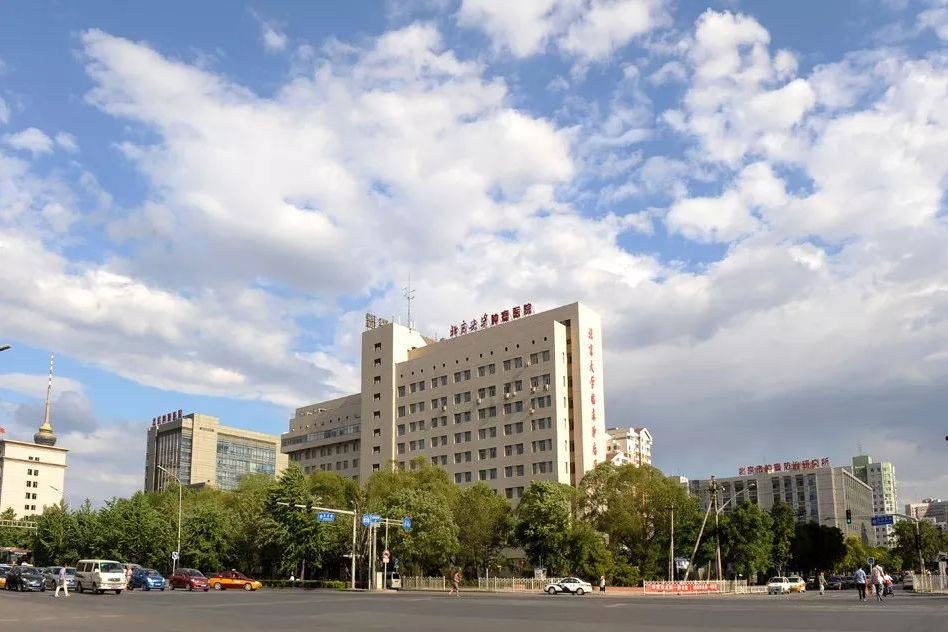
Founded in 1976, Peking University Cancer Hospital is a university-affiliated specialist center. Its Thoracic Surgery I department identifies esophageal cancer as a central area of practice and describes reconstruction after esophagectomy, individualized care for cervical esophageal tumors and selected complex or salvage operations. These services should be considered through a case-specific multidisciplinary review.
This center is particularly relevant when the surgical discussion includes reconstruction, nutrition or the timing of treatment before an operation. Its department's documented work in these areas provides concrete questions for a second opinion, rather than a reason to assume that a technically complex operation is appropriate.
Bring the original imaging, endoscopy and pathology, along with details of any previous chemoradiotherapy. Ask the team to compare the expected benefits, recovery burden and alternatives, and to explain the follow-up support that will be needed at home.

Professor Keneng Chen
Chief Physician and Professor — Thoracic Surgery I
Professor Chen's institutional profile describes surgery-led multidisciplinary care for esophageal and other thoracic tumors, with interests in esophageal reconstruction, preoperative systemic treatment and nutritional support throughout care. These are relevant areas for reviewing a complex surgical plan. The profile does not establish that surgery is suitable for every patient.

Dr. Zhen Liang
Chief Physician — Thoracic Surgery I
Dr. Liang's official profile identifies thoracoscopic esophageal cancer operations, esophagectomy with gastric reconstruction and lymph-node surgery among his clinical interests. It also lists esophageal cancer research. A consultation can explore the rationale and risks of the proposed operation alongside non-surgical options, based on the individual's pathology and stage.
Sun Yat-sen University Cancer Center — Guangzhou

Established in 1964, Sun Yat-sen University Cancer Center combines specialist oncology care with research and teaching. Its thoracic surgery service and Guangdong Esophageal Cancer Institute provide a documented focus on esophageal cancer. The center has also described an esophageal multidisciplinary clinic involving surgery, radiation oncology, medical oncology, imaging and nutrition.
This is a relevant option for reviewing how local treatment and systemic treatment should fit together. Its clinicians contributed to the NEOCRTEC5010 research program, but that association does not turn trial averages into a hospital success rate or an individual prognosis.
Confirm the current campus, international-patient route and team for the assessment. Ask who will review pathology and staging, how nutrition and swallowing recovery will be supported and how the recommendations will be shared with your home clinicians. Confirm any trial separately rather than assuming enrollment is available.

Professor Jianhua Fu
Professor — Thoracic Oncology and Esophageal Cancer
Professor Fu's institutional profile identifies esophageal cancer and minimally invasive esophagectomy as major areas of expertise and describes his work with the Guangdong Esophageal Cancer Institute. He is an author of the NEOCRTEC5010 long-term report. His documented interests support an esophageal specialist opinion, subject to confirmation of current case-review arrangements.

Professor Hao-Xian Yang
Chief Physician — Thoracic Surgery
Professor Yang's official English profile includes surgical treatment of esophageal cancer among his thoracic oncology interests and describes minimally invasive and robotic surgery experience. Much of his listed research concerns lung cancer, so his broader thoracic expertise should be distinguished from a disease-specific outcome claim. Ask the department which esophageal team will assess the case.
Get a Second Opinion Before You Fly to China
A remote second opinion may help clarify staging, the proposed sequence of treatment and the records still needed before travel. For suitable cases, ChinaCureLink can help coordinate the request. The hospital must confirm availability, clinical suitability and whether an in-person examination or further testing is required.
The following patient stories and feedback describe general coordination experiences. They are not esophageal cancer outcome evidence and do not predict an individual result.
What Patients Say About ChinaCureLink & Medebound HEALTH

FAQs about esophageal cancer hospitals in China
Which is the best esophagus cancer hospital in China?
There is no single best hospital for every patient. The Cancer Hospital of the Chinese Academy of Medical Sciences, Peking University Cancer Hospital and Sun Yat-sen University Cancer Center are three specialist options with documented esophageal cancer services. Compare the proposed plan for your histology, stage and previous treatment, plus nutrition, language support, costs and follow-up. This shortlist is unranked.
Can esophageal cancer be treated without surgery in China?
Some patients may be considered for endoscopic treatment, definitive chemoradiotherapy, systemic treatment or symptom-directed care, depending on the cancer's type and stage and their overall health. Surgery remains relevant in other situations. A multidisciplinary team should explain the alternatives and treatment goal; avoiding an operation is not automatically the safer or more effective option.
What should international patients prepare for an esophageal cancer assessment?
Prepare endoscopy, pathology and imaging reports, original scans, prior treatment records, available biomarker results, current medicines and a clinical timeline. Ask whether slides, tissue blocks or translated documents are required. Confirm travel fitness, nutrition support, the campus, interpretation, an itemized estimate and follow-up arrangements before booking travel.
Prepare your next step
For help organizing an esophageal cancer hospital assessment, share your diagnosis, stage, treatment history and available reports with ChinaCureLink. The aim is to prepare clear questions and a useful record package for the clinical team. Your treating clinician should guide urgent care and decisions about ongoing treatment.
Sources and further reading
National Cancer Institute — esophageal cancer treatment by stage
NEOCRTEC5010 — JAMA Surgery long-term randomized trial report (2021)
ESCORT-NEO/NCCES01 — Nature Medicine randomized trial report (2024)
Cancer Hospital, Chinese Academy of Medical Sciences — Beijing
Sun Yat-sen University Cancer Center — multidisciplinary clinic
Sun Yat-sen University Cancer Center — institutional overview
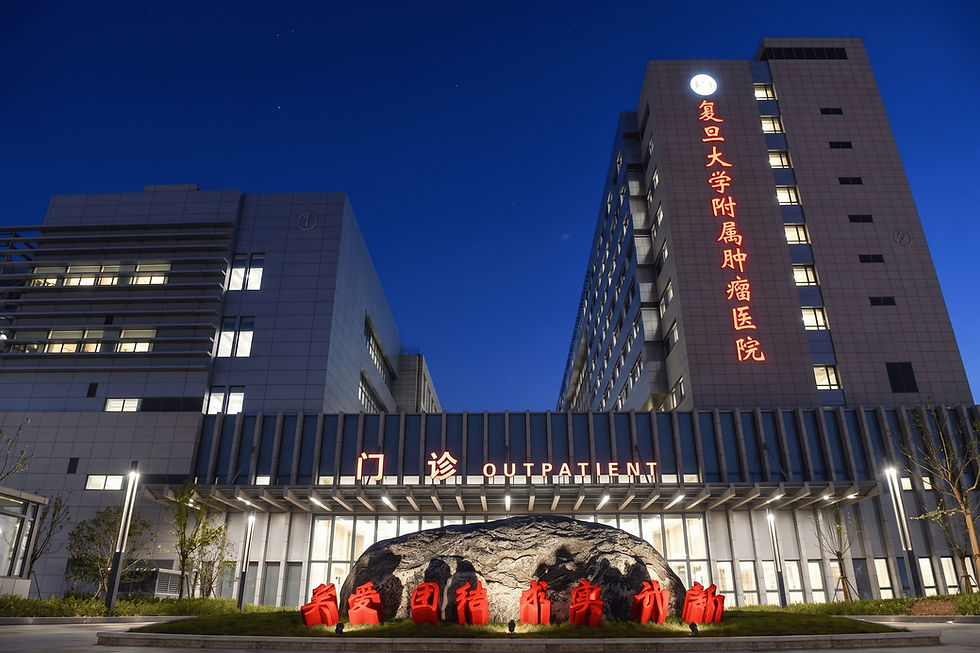
Information checked for this draft on October 30, 2026. Clinical practice, services, schedules and trial access can change. Institutional photographs identify the hospital or clinician shown and do not imply a commercial affiliation.
About ChinaCureLink
ChinaCureLink helps patients across the world access the best cancer treatment at China's top hospitals, without the delays, language barriers, and administrative confusion that typically come with seeking care abroad.
We connect patients directly with China's top cancer hospitals, ensuring that from the first case submission through to treatment and follow-up, every step is guided, translated, and coordinated by a team experienced in cross-border patient care.
ChinaCureLink is proudly affiliated with Medebound HEALTH — founded by US physicians, with over 10 years of experience and more than 3,000 patients served worldwide, Medebound HEALTH is recognized by Forbes and it is one of the most trusted patient cross-border concierge service company across North America and the Asia Pacific.
Disclaimer
This article is for informational purposes only and is not medical or financial advice. Treatment eligibility, protocols, and costs vary by individual case — confirm specifics with a coordinator and treating physician before making any decisions.