
- 2 days ago
- 12 min read
Introduction
CAR-T cell therapy has changed the treatment landscape for several difficult-to-treat blood cancers, particularly relapsed or refractory B-cell leukemia, lymphoma, and multiple myeloma. Asia has become an important part of that development. China has built one of the world's largest CAR-T treatment and research ecosystems, while South Korea, Japan, and other countries have established their own CAR-T programs.
For a patient considering CAR-T treatment abroad, however, the question is not simply which hospital has the highest ranking. The more useful question is:
Which CAR-T center has the most relevant experience for my particular cancer, treatment history, and disease biology?
A patient with relapsed diffuse large B-cell lymphoma may need a very different CAR-T program from someone with T-cell acute lymphoblastic leukemia or multiple myeloma.
Below are five leading CAR-T centers in Asia that are worth considering when evaluating treatment options.
Key Takeaways |
China is one of Asia's major CAR-T hubs, with extensive clinical experience, multiple commercially available CAR-T products, and a large number of ongoing clinical studies. |
Lu Daopei Hospital in China is particularly specialized in hematological malignancies and cellular therapy, with experience across CD19, CD22, BCMA, and CD7-targeted CAR-T approaches. |
Ruijin Hospital in Shanghai has been involved in next-generation CAR-T research, including GPRC5D-targeted therapy for multiple myeloma. |
Peking University People's Hospital in Beijing is an important hematology and transplantation center with research into dual-target and next-generation CAR-T approaches. |
Samsung Medical Center in South Korea has one of the region's established CAR-T programs and a dedicated multidisciplinary CAR-T center. |
National Cancer Center Hospital in Japan provides approved CAR-T products for selected hematological malignancies and is involved in research into newer cellular therapies. |
How Do You Determine the Best CAR-T Hospital?
There is no universally accepted ranking of CAR-T hospitals in Asia. A hospital's overall cancer ranking also does not necessarily tell you how suitable it is for CAR-T. When comparing CAR-T centers, several factors matter:
Experience with the patient's specific cancer
Number and complexity of CAR-T cases treated
Experience with the relevant CAR-T target
Availability of approved CAR-T products
Access to clinical trials
Research into newer CAR-T targets
Hematopoietic stem-cell transplantation expertise
Ability to manage cytokine release syndrome (CRS)
Experience managing immune effector cell-associated neurotoxicity syndrome (ICANS)
Intensive-care and infectious-disease support
Pathology, molecular testing, and MRD monitoring
Experience with international patients
This is why a hospital that is particularly strong in T-cell malignancies may not necessarily be the best choice for a patient with multiple myeloma.
5 Best CAR-T Hospitals in Asia
1. Lu Daopei Hospital — China
Lu Daopei Hospital is a specialist hematology institution with a major focus on leukemia, lymphoma, multiple myeloma, hematopoietic stem-cell transplantation, and cellular therapy.
The hospital began clinical CAR-T work in 2015 and has developed programs involving several targets, including CD19, CD22, BCMA, and CD7.
Its experience with CD7-targeted CAR-T is particularly relevant because T-cell malignancies remain a difficult area of cellular therapy.
CD7 is expressed on many T-cell leukemia and lymphoma cells. Developing CAR-T therapy against CD7 is technically challenging because normal T cells can also express the target. Lu Daopei researchers have therefore been involved in developing approaches specifically for T-cell malignancies.
The hospital's broader hematology and transplant expertise is also important. For selected patients, CAR-T is not necessarily the final treatment. It may be used to achieve disease control before another treatment, including hematopoietic stem-cell transplantation.

CAR-T areas of interest
B-cell acute lymphoblastic leukemia
B-cell lymphoma
T-cell acute lymphoblastic leukemia
T-cell lymphoblastic lymphoma
Multiple myeloma
CD19 CAR-T
CD22-targeted CAR-T
BCMA-targeted CAR-T
CD7-targeted CAR-T
CAR-T followed by transplantation in selected patients
Why Lu Daopei is particularly relevant
Lu Daopei's specialization in hematological malignancies means that CAR-T is not being considered in isolation from the rest of the patient's treatment. The appropriate strategy depends on the individual case.
2. First Affiliated Hospital, Zhejiang University School of Medicine — Hangzhou, China
The First Affiliated Hospital of Zhejiang University School of Medicine (FAHZU) is an important CAR-T center to include when discussing leading hospitals in Asia. Its Bone Marrow Transplantation Center and Institute of Hematology have been involved in CAR-T research and clinical translation for many years.
The center's CAR-T work includes CD19, CD22, BCMA, CD7, and GPRC5D-targeted approaches, as well as newer CAR-T designs intended to improve persistence, targeting, and activity against relapsed or refractory disease.
FAHZU has also published clinical research involving CAR-T for B-cell lymphoma, acute lymphoblastic leukemia, and multiple myeloma.
For example, researchers from the hospital have reported clinical experience with CD19 CAR-T in relapsed/refractory B-cell non-Hodgkin lymphoma and have studied donor-derived CD19 CAR-T for patients with extramedullary relapse after previous CAR-T therapy.
The center has also been involved in research combining CD7 CAR-T with haploidentical hematopoietic stem-cell transplantation for selected T-cell malignancies.

CAR-T areas of interest
B-cell acute lymphoblastic leukemia
B-cell lymphoma
Multiple myeloma
T-cell malignancies
CD19 CAR-T
CD22 CAR-T
BCMA CAR-T
CD7 CAR-T
GPRC5D CAR-T
CAR-T combined with hematopoietic stem-cell transplantation
Next-generation CAR-T research
Why FAHZU is worth considering
FAHZU is particularly interesting for patients who need more than a standard CAR-T pathway. Its research portfolio includes multiple CAR-T targets and newer cellular-therapy approaches, while its bone-marrow-transplant infrastructure allows physicians to consider CAR-T and transplantation as part of an integrated treatment strategy when clinically appropriate.
This is particularly relevant for patients with relapsed or refractory hematological malignancies, including patients who have already undergone previous cellular therapy.
The hospital's own hematology department describes its CAR-T program as covering acute lymphoblastic leukemia, lymphoma, and multiple myeloma, with established CD19, CD22, and BCMA CAR-T development and clinical application.
3. Peking University People's Hospital — Beijing, China
Peking University People's Hospital is a major hematology and transplantation center and is home to the Peking University Institute of Hematology. The institution has been involved in the development and clinical evaluation of CAR-T therapies for hematological malignancies.
Its research includes dual-target CAR-T approaches, which are designed to recognize more than one antigen. For example, clinical studies have investigated CD19/CD20 CAR-T for aggressive B-cell lymphoma and CD19/CD22 approaches for relapsed or refractory B-cell acute lymphoblastic leukemia.

This type of research is particularly relevant when a patient's cancer has relapsed after previous treatment or when antigen escape is a concern.
CAR-T areas of interest
B-cell acute lymphoblastic leukemia
Aggressive B-cell lymphoma
CD19 CAR-T
CD19/CD20 dual-target CAR-T
CD19/CD22 CAR-T
CAR-T and transplantation
Clinical trials
4. Samsung Medical Center — Seoul, South Korea
Samsung Medical Center provides an important alternative to the major Chinese CAR-T centers.
The hospital established a dedicated CAR-T Therapy Center and has developed experience in treating patients with hematological malignancies using CAR-T.
Samsung reported reaching 200 CAR-T treatments in early 2025, following the introduction of CAR-T therapy at the institution in 2021. Its program uses a multidisciplinary model involving hematology, pediatric hematology, laboratory medicine, neurology, infectious disease, intensive care, and specialized nursing. This matters because CAR-T treatment is not simply an infusion.
Patients can develop potentially serious complications, including:
Cytokine release syndrome (CRS)
ICANS
Infections
Prolonged cytopenias
Other immune-related complications

A hospital's ability to recognize and manage these complications is therefore an important part of evaluating a CAR-T program.
CAR-T areas of interest
B-cell lymphoma
B-cell leukemia
Hematological malignancies
CAR-T treatment
CAR-T complication management
Multidisciplinary cellular therapy
5. National Cancer Center Hospital — Tokyo, Japan
Japan has also developed established CAR-T treatment programs. National Cancer Center Hospital in Tokyo provides approved CAR-T products for selected patients with relapsed or refractory hematological malignancies and participates in research into newer cellular therapies.
Its CAR-T program includes the clinical pathway from patient evaluation and cell collection through treatment and monitoring for complications. The center is also involved in research into CAR-T approaches for T-cell malignancies, including work involving CCR4-targeted CAR-T therapy.
CAR-T areas of interest
Large B-cell lymphoma
Follicular lymphoma
Relapsed/refractory hematological malignancies
Approved CAR-T products
T-cell malignancy research
Next-generation cellular therapy

Why consider National Cancer Center Hospital?
For patients specifically looking at treatment within Japan, this center provides an established CAR-T pathway and access to Japan's broader cancer research infrastructure. As with the other hospitals on this list, eligibility depends on the individual patient's diagnosis and treatment history.
Comparing 5 Best CAR-T Hospitals in Asia
Hospital | Country | Particularly relevant areas |
Lu Daopei Hospital | China | Leukemia, lymphoma, myeloma, CD7 CAR-T, CD19/CD22 approaches, CAR-T + transplantation |
First Affiliated Hospital, Zhejiang University School of Medicine | China | Leukemia, lymphoma, myeloma, CD19/CD22/BCMA/CD7/GPRC5D CAR-T, CAR-T + transplantation |
Peking University People's Hospital | China | B-ALL, aggressive B-cell lymphoma, dual-target CAR-T, clinical trials |
Samsung Medical Center | South Korea | B-cell malignancies, established CAR-T program, multidisciplinary care |
National Cancer Center Hospital | Japan | Large B-cell lymphoma, follicular lymphoma, approved CAR-T, cellular-therapy research |
Why China Is Particularly Important for CAR-T in Asia
Although this list includes centers in South Korea and Japan, China deserves particular attention when patients are comparing CAR-T treatment in Asia.
China has developed a large CAR-T ecosystem covering:
Commercial CAR-T products
Hospital-based cellular therapy programs
CAR-T clinical trials
Next-generation CAR-T targets
Dual-target CAR-T
CAR-T for difficult-to-treat hematological malignancies
Research into solid-tumor CAR-T
CAR-T combined with transplantation
ChinaCureLink's existing guide to CAR-T treatment in China provides a broader overview of available CAR-T products, eligibility, treatment timelines, and costs.
The reason this matters for international patients is that access to CAR-T is not simply a question of whether a country has the technology. The question is:
Which specific hospital and physician have the most relevant experience with your disease?
What Medical Records Are Needed for a CAR-T Assessment?
A hospital cannot determine CAR-T eligibility from the cancer diagnosis alone.
For an international second opinion, the specialist will generally need as much of the following as possible:
Pathology report
Biopsy report
Immunohistochemistry
Flow cytometry
Molecular and genetic testing
PET-CT or CT scans
Bone marrow biopsy
MRD results where applicable
Previous chemotherapy records
Previous immunotherapy
Targeted therapy history
Previous CAR-T treatment
Stem-cell transplantation history
Recent blood counts
Kidney and liver function
Infection screening
Current medications
Most recent treatment response assessment
For international patients, pathology slides and imaging may also need to be submitted for specialist review.
Should You Travel to Asia Before Getting a CAR-T Second Opinion?
Usually, it makes more sense to have the case reviewed before making an international trip. CAR-T treatment requires significant preparation. Depending on the treatment and hospital, the process can involve:
Medical-record review
Eligibility assessment
Additional diagnostic testing
T-cell collection
Cell manufacturing
Bridging treatment when necessary
Lymphodepleting chemotherapy
CAR-T infusion
Hospital monitoring
Follow-up for complications and treatment response
The process can therefore take weeks or longer. Traveling first and asking questions later can create unnecessary costs and uncertainty. A remote second opinion allows the patient to determine whether the hospital is potentially appropriate before making travel arrangements.
How to Get Started as an International Patient
International patients typically begin by sending recent PET-CT scans, pathology reports, and treatment history to a hospital's international department for eligibility review. This is what a physician uses to determine whether CAR-T is a realistic option for a specific case.
Before that step, many patients haven't yet gone through a formal second opinion and aren't sure what one actually involves. A second opinion isn't a diagnosis, and it doesn't replace a patient's local oncologist. It's a structured review of the case — records, prior treatment, current staging — by a physician at one of the hospitals above, who then explains directly whether the patient is likely to be a fit for CAR-T there, what treatment would involve, and what it would cost.
That review can happen over online meeting, with a physician at one or more of the hospitals above, before any decision about travel is made. It's a way to get a direct answer on eligibility and technical details from a physician at the hospital itself, rather than researching hospital websites and forming a plan based on published material alone.
How ChinaCureLink Helps Patients Compare CAR-T Options
Finding a CAR-T hospital is more complicated for an international patient than simply searching Google for "CAR-T hospital." The patient needs to know:
Which hospitals actually treat the relevant cancer
Which CAR-T targets they work with
Whether the treatment is approved or investigational
Whether the patient may qualify
Which physician should review the case
What records need to be submitted
Whether additional testing is required
What the expected treatment pathway looks like
What international-patient support is available
This is where ChinaCureLink's role is different from simply arranging a hospital appointment.
ChinaCureLink helps international patients submit their medical records, identify an appropriate specialist or hospital, coordinate the medical review, and manage communication and logistics if treatment in China is subsequently recommended.
The company already provides oncology second opinions and hospital matching for international patients considering treatment in China. For patients specifically considering CAR-T, the first step can therefore be a remote medical-record review rather than immediately traveling to China.
Get a CAR-T Second Opinion From Leading China Centers
If you are considering CAR-T therapy, you do not necessarily need to decide on a hospital first. A better approach can be to have your case reviewed and then determine which center is most appropriate.
ChinaCureLink can help connect eligible international patients with physicians at leading CAR-T centers, including Lu Daopei Hospital, as well as other appropriate Chinese centers based on the diagnosis and treatment history.
The second-opinion process can help clarify:
Whether CAR-T may be appropriate
Which CAR-T target may be relevant
Whether an approved treatment or clinical trial may be appropriate
Whether additional diagnostic testing is needed
Whether bridging therapy may be necessary
Whether transplantation could be part of the treatment strategy
Which hospital may be the most appropriate for the case
For suitable cases, the patient can then discuss the technical treatment details directly with the specialist through an online consultation.
This may include the proposed CAR-T approach, eligibility, treatment sequence, potential risks, expected timeline, and what would be required if the patient ultimately decides to travel to China. The goal is not to tell every patient that China is the answer. It is to help the patient determine whether a Chinese CAR-T center has a treatment option that is relevant to their particular case.
What Patients Say About ChinaCureLink & Medebound HEALTH

China CureLink operates under Medebound HEALTH — an internationally recognized healthcare navigation company incorporated in New York, with operations across North America and Asia-Pacific.
Rated 4.6 ⭐⭐⭐⭐⭐ at Trustpilot
Medebound HEALTH's online testimonials. Learn More
★★★★☆ Sarah Zhang · Canada· Jul 2024 · Verified “The interpreter during the video call was fantastic — super professional and answered all our questions clearly and quickly. The professor was also very patient and gave us detailed and honest guidance on our treatment options.” |
★★★★★ Andrew Goh · Singapore · Aug 2024 · Verified “My first contact with Medebound was over a year ago. Jason has always been responsive, even when I wasn't ready to proceed. When I finally did, the consultation was seamlessly arranged and the specialist was outstanding.” |
★★★★★ Daniel Wong · Singapore · Aug 2024 · Verified “I have dry eye and nothing seemed to be working, even with different medications. I heard about a medication from the U.S. that’s supposed to be really effective, but I didn’t want to try it without talking to a doctor first. MEDEBOUND connected me with a top ophthalmologist in the U.S. and it was so reassuring to get their expert advice.” |
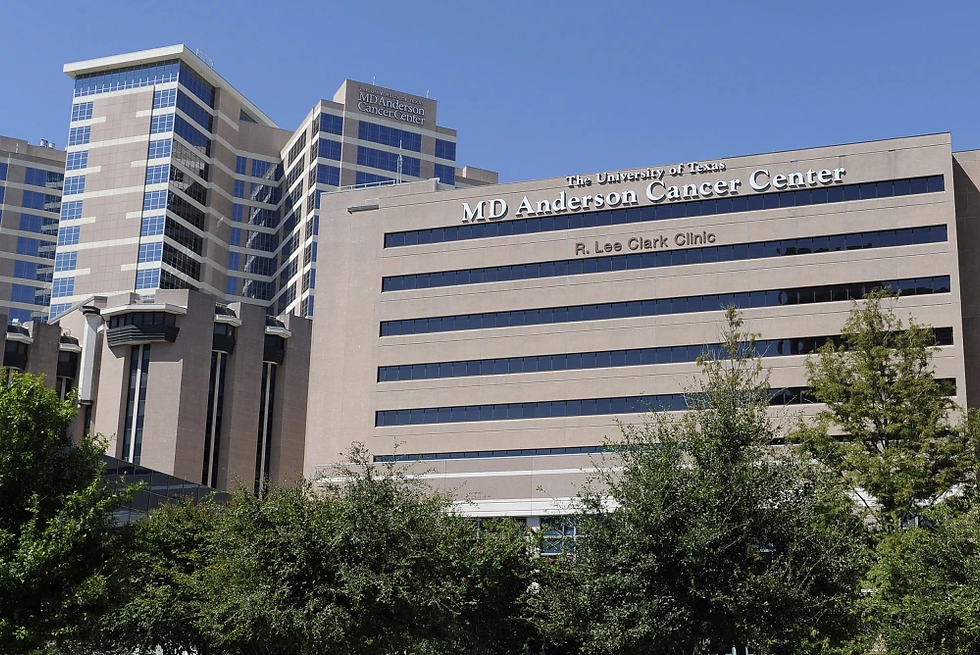
★★★★☆ Pongsakorn · Thailand · Feb 2025 · Verified “Kiki at Medebound is amazing — so professional and helpful! They got my video consultation with an MD Anderson expert set up super fast, within just 5 working days. I am so grateful for their support.” |
Frequently Asked Questions
What is the best CAR-T hospital in Asia?
There is no single CAR-T hospital that is best for every patient. Lu Daopei Hospital, Ruijin Hospital, Peking University People's Hospital, Samsung Medical Center, and National Cancer Center Hospital are among the leading centers worth evaluating, but their strengths differ by cancer type and treatment approach.
Is China the best country in Asia for CAR-T?
China has one of the largest CAR-T treatment and research ecosystems in Asia, with substantial clinical experience and research into newer CAR-T targets. South Korea and Japan also have established CAR-T programs.
The best destination depends on the patient's cancer, treatment history, and eligibility.
Can international patients receive CAR-T in China?
International access depends on the patient's diagnosis, medical condition, treatment history, product availability, hospital requirements, and applicable regulations. Being an international patient does not automatically mean that a patient is eligible for CAR-T.
Should I choose a hospital based on its CAR-T response rate?
No. Response rates from different clinical studies cannot be directly compared without considering the cancer subtype, patient population, previous treatments, CAR-T construct, eligibility criteria, and length of follow-up.
A published response rate is not a guarantee of an individual patient's outcome.
What is the first step if I am considering CAR-T treatment in China?
Start with a specialist review of your medical records.
This can help determine whether CAR-T is potentially appropriate, which hospitals may be relevant, and whether traveling to China is medically worthwhile before you make international travel arrangements.
Conclusion
The "best CAR-T hospital in Asia" is not necessarily the hospital with the highest headline response rate or the most famous cancer center. For an individual patient, the better question is:
Which center has the right experience, treatment target, clinical program, and physician expertise for my particular cancer?
China has become one of the most important CAR-T destinations in Asia, and centers such as Lu Daopei Hospital, Ruijin Hospital, and Peking University People's Hospital offer different areas of expertise.
South Korea and Japan also have established programs, including Samsung Medical Center and National Cancer Center Hospital.
If you are considering CAR-T treatment abroad, a specialist second opinion can help you compare these options before making the much larger decision of traveling for treatment.
ChinaCureLink can help coordinate that process, including connecting suitable patients with top 5 Chinese CAR-T centers for specialist review.
About ChinaCureLink
ChinaCureLink helps patients across the world access the best cancer treatment at China's top hospitals, without the delays, language barriers, and administrative confusion that typically come with seeking care abroad.
We connect patients directly with China's top cancer hospitals, ensuring that from the first case submission through to treatment and follow-up, every step is guided, translated, and coordinated by a team experienced in cross-border patient care.
ChinaCureLink is proudly affiliated with Medebound HEALTH — founded by US physicians, with over 10 years of experience and more than 3,000 patients served worldwide, Medebound HEALTH is recognized by Forbes and it is one of the most trusted patient cross-border concierge service company across North America and the Asia Pacific.
Disclaimer
This article is for informational purposes only and is not medical or financial advice. Treatment eligibility, protocols, and costs vary by individual case — confirm specifics with a coordinator and treating physician before making any decisions.

Comments