Updated: 19 hours ago
Medically reviewed by Dr Eric Wang- ChinaCureLink Team
KEY TAKEAWAYS |
• Start with a head and neck radiation oncology review. • Share your pathology and original MRI scans. • If you had radiation before, send the original dose files. • Confirm the campus, interpreter, estimate and follow-up plan. |
Introduction
For international patients comparing nasopharyngeal cancer hospitals in China, three centers to consider are Cancer Hospital, Chinese Academy of Medical Sciences in Beijing, Sun Yat-sen University Cancer Center in Guangzhou, and Fudan University Shanghai Cancer Center in Shanghai. The right team depends on whether you need a first radiotherapy plan, a review of cancer that has returned, or systemic treatment for disease that has spread.
These centers offer different services for diagnosis and treatment. The shortlist is a starting point for specialist review. Hospital listings do not measure comparative outcomes.
Table of Contents
How stage changes the treatment plan
Radiotherapy is central to the treatment of cancer confined to the nasopharynx and nearby lymph nodes. Some patients with early disease receive radiotherapy alone. For locally advanced disease, the team may recommend chemotherapy during radiation, often with induction chemotherapy first for selected higher-risk cases. Ask the radiation oncologist to explain the goal, expected side effects and the reasons for adding chemotherapy.
What China-led trials tell us
In JUPITER-02, 289 patients with recurrent or metastatic nasopharyngeal carcinoma were assigned to gemcitabine and cisplatin with either toripalimab or placebo. Median progression-free survival was 21.4 versus 8.2 months. That measures time until the disease worsens or the patient dies. Immune-related side effects were more frequent with toripalimab. A separate Chinese phase 3 study, CONTINUUM, examined sintilimab with chemoradiotherapy in a different population with high-risk locally advanced disease. The studies address different clinical decisions.
What to check before traveling
Send the biopsy report, nasopharyngeal MRI and other staging scans in DICOM format, and your prior treatment timeline. Include EBV DNA results if available. If you previously received radiotherapy, request the original plan, dose files and treatment summary. These help the next team assess whether another course of radiation is feasible and what risks it might carry.
Ask which campus and clinical team would see you, whether the review can happen remotely, and how hearing, swallowing, dental health and nutrition would be monitored. Request an itemized estimate and a written follow-up plan before making travel arrangements.
How ChinaCureLink can help
ChinaCureLink can help organize records and coordinate a specialist review. Ask for written confirmation of the reviewing team, timing, interpretation and costs before traveling.
Three hospitals and their specialists
Cancer Hospital, Chinese Academy of Medical Sciences — Beijing

Cancer Hospital, Chinese Academy of Medical Sciences — Beijing
The hospital’s radiation oncology department is a starting point for a treatment planning review. Its endoscopy service can help when a lesion needs further examination or tissue confirmation.

Dr. Junlin Yi
Radiation oncology
His Peking Union Medical College profile documents work in head and neck radiotherapy and nasopharyngeal carcinoma.

Dr. Xiaoguang Ni
Chief physician · Endoscopy
His hospital profile lists endoscopic diagnosis and differentiation of nasopharyngeal lesions.
Sun Yat-sen University Cancer Center — Guangzhou

The center has a dedicated nasopharyngeal carcinoma service and has reported clinical research on radiotherapy and combined treatment. Ask which team would review your staging and whether induction chemotherapy changes the proposed plan.

Dr. Jun Ma
Nasopharyngeal carcinoma · Radiotherapy research
His center documents research on radiation and combined treatment for nasopharyngeal carcinoma.

Dr. Ying Sun
Nasopharyngeal carcinoma · Radiation oncology
Her center documents clinical research on radiotherapy and combined treatment for nasopharyngeal carcinoma.
Fudan University Shanghai Cancer Center — Shanghai
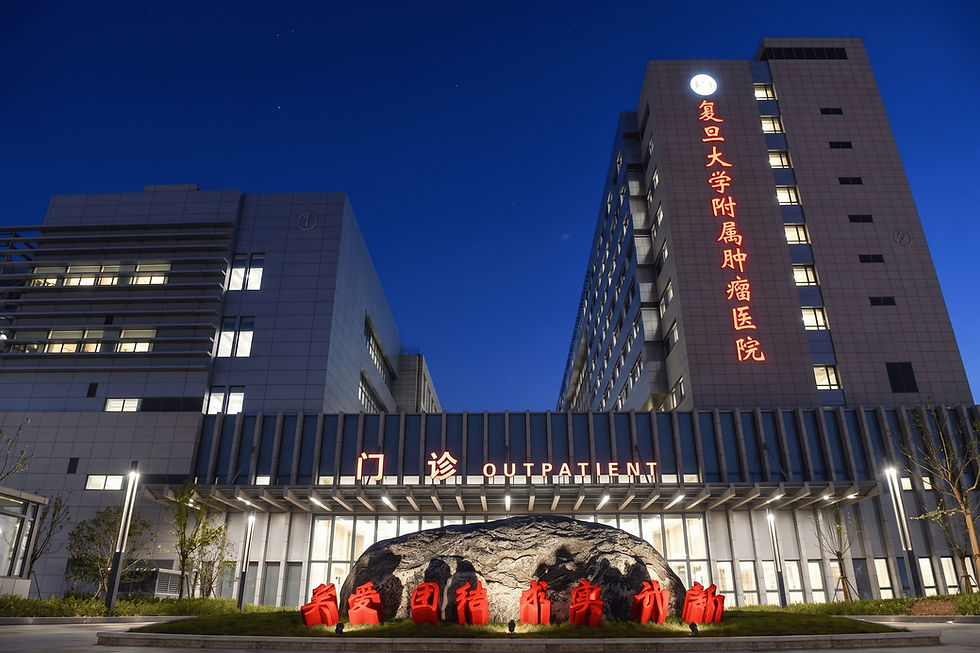
Its Radiation Therapy Center lists clinicians who treat nasopharyngeal carcinoma. If the cancer has returned after radiation, ask for a review of the prior dose distribution before discussing further local treatment.

Dr. Chaosu Hu
Chief physician · Radiation Therapy Center
His profile lists radiotherapy for nasopharyngeal cancer and other head and neck tumors.

Dr. Hongmei Ying
Chief physician · Radiation Therapy Center
Her profile describes radiation treatment for nasopharyngeal cancer and other head and neck cancers.
Get a Second Opinion Before You Fly to China
Ask for a written summary of the proposed treatment, expected side effects, alternatives and follow-up. Share the summary with your treating team before making travel plans.
The patient stories below describe general care coordination experiences.
What Patients Say About ChinaCureLink & Medebound HEALTH

FAQs about nasopharyngeal cancer hospitals in China
Which hospital should I contact first?
Start with a head and neck radiation oncology team for a first radiotherapy plan or a review of prior radiation. If scans show distant spread, ask for a joint review with medical oncology.
Can I get a second opinion before traveling?
Ask the center whether it accepts remote review of original scan files, pathology and any prior radiation plan. Confirm which decisions require an in-person examination.
Does recurrent disease always require more radiation?
The answer depends on where the cancer returned, whether it has spread, and the dose already delivered to nearby tissues. The team may discuss surgery, radiation, systemic treatment or symptom-directed care according to the case.
Prepare your next step
Gather your scans and pathology, then write down the treatment decision you want the specialist to clarify.
Sources and further reading
About ChinaCureLink
ChinaCureLink helps patients across the world access the best cancer treatment at China's top hospitals, without the delays, language barriers, and administrative confusion that typically come with seeking care abroad.
We connect patients directly with China's top cancer hospitals, ensuring that from the first case submission through to treatment and follow-up, every step is guided, translated, and coordinated by a team experienced in cross-border patient care.
ChinaCureLink is proudly affiliated with Medebound HEALTH — founded by US physicians, with over 10 years of experience and more than 3,000 patients served worldwide, Medebound HEALTH is recognized by Forbes and it is one of the most trusted patient cross-border concierge service company across North America and the Asia Pacific.
Disclaimer
This article is for informational purposes only and is not medical or financial advice. Treatment eligibility, protocols, and costs vary by individual case — confirm specifics with a coordinator and treating physician before making any decisions.


